
menu
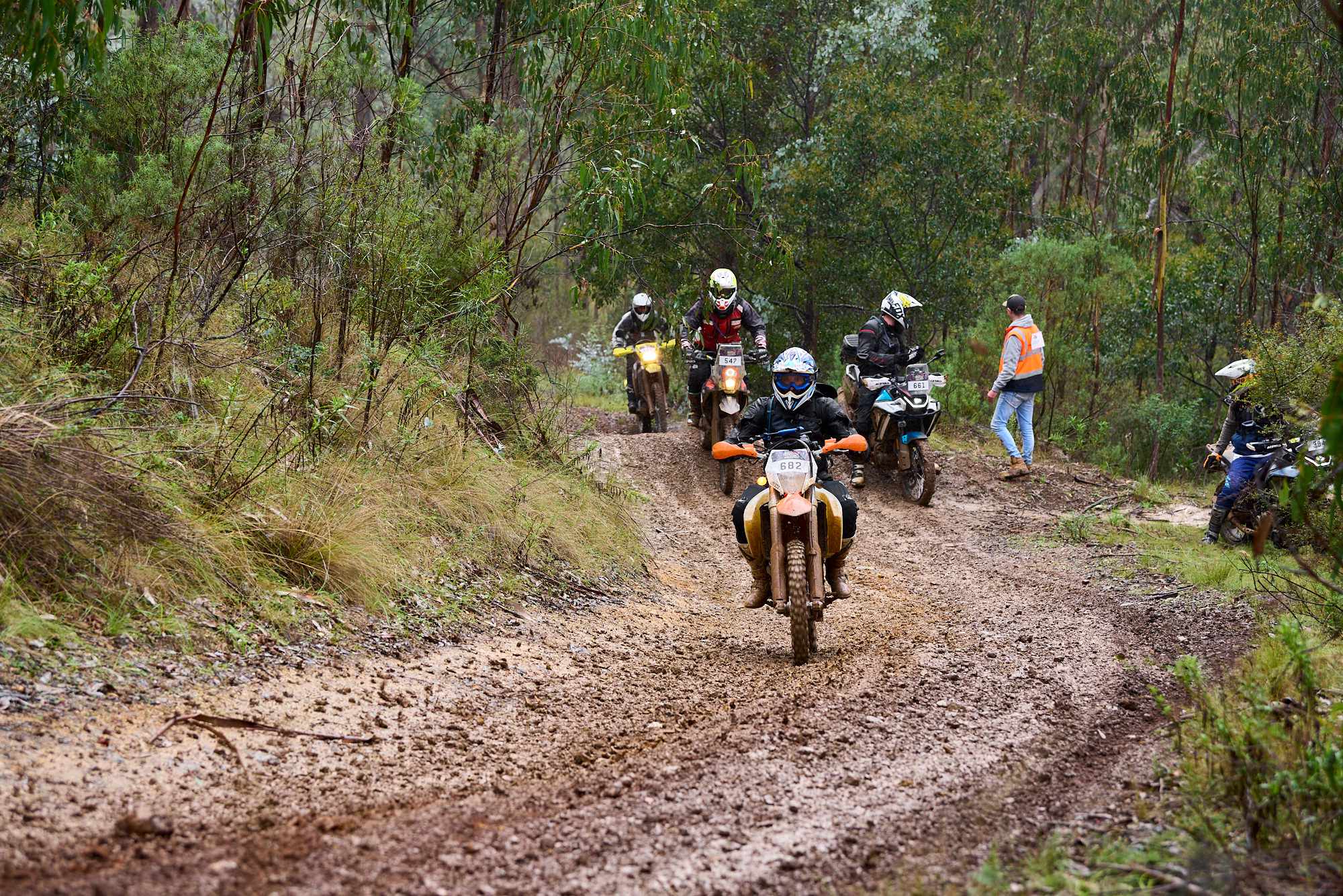
• Choosing the right route is one of the most important parts of preparing for an OpenRoads Rally.
• Every event takes place in a different location, with different terrain, weather conditions and track availability.
•A route that feels relatively manageable at one rally may be noticeably more difficult at another.
• Not every event will include each type of route.
• To help you make a more informed choice, OpenRoads routes are identified by a numbered difficulty level.
Each OpenRoads Rally route is identified by both a route name and a numbered level range.
The route name describes the overall style and experience of the ride. The route level provides a more specific indication of the terrain difficulty riders may encounter at that particular event.
Our grading system runs from Level 1 to Level 6.
Level 1 represents our easiest and most accessible terrain, suitable for riders beginning their adventure-riding journey. The difficulty progressively increases through each level, with Level 6 representing the hardest and most extreme terrain offered at OpenRoads Rally.
The numbered level gives you a clearer indication of the terrain difficulty you may encounter, while the route name describes the overall style and experience of the ride.
Our route categories generally fall within the following ranges:
These levels are a guide only. It is impossible to guarantee the exact condition or difficulty of a route because tracks can change rapidly. Rain, forestry activity, erosion, traffic and other conditions may alter a track between the time it is assessed and the event itself.
Always check the event-specific grading, route description and wet-weather notes before choosing your route.
Generally Level 1–2
Cruiser routes provide relaxed and accessible riding, generally using maintained gravel roads, open tracks and straightforward terrain.
They are designed for riders who want to build confidence, enjoy a less physically demanding day or experience adventure riding without tackling significant obstacles.
Although most of the route should be approachable, riders may still encounter loose gravel, corrugations, potholes, changing road surfaces and other normal road conditions.
Where possible, we avoid red clay and sections that are likely to become slippery or muddy in wet weather. This is not always possible in every location, so we will provide additional information during the rider briefing when rain is forecast.
Generally Level 1–3
Cruiser X routes are designed to feel smooth, enjoyable and rewarding, allowing riders to maintain momentum through the terrain.
They generally include easier dirt roads and flowing forestry tracks, with occasional rougher surfaces, minor obstacles, shallow water crossings or more challenging sections.
Cruiser X routes tend to be more varied and adventurous than Cruiser routes because they take riders farther into forestry and trail environments. However, this also means they have a greater chance of becoming muddy, slippery or more difficult during wet weather.
Always check the grading for the specific event, as a Cruiser X route may sit toward the easier or harder end of its usual range.
Generally Level 3–4
Adventure routes introduce more varied, demanding and obstacle-based terrain.
Depending on the event, they may include rocks, ruts, loose surfaces, steeper climbs and descents, water crossings, erosion, narrow tracks and other obstacles.
An Adventure route may contain a variety of terrain, with no sections graded higher than Level 4. Riders should not choose the route based only on its easier sections. You should be prepared to safely attempt the highest level shown for that event.
There will generally be no diversions around the harder sections of an Adventure route, so be ready to complete the full route. Strap yourself in!
Generally Level 4–5
Adventure X routes are designed to seriously challenge intermediate and experienced riders, particularly those riding larger adventure motorcycles.
These routes may include technical climbs and descents, loose or rocky surfaces, deeper ruts, larger obstacles and physically demanding terrain requiring strong bike control.
Riders should expect sections that require commitment, careful line selection and the ability to recover themselves or their motorcycle when necessary.
Adventure X routes may become considerably harder in wet conditions, particularly on steep, clay-based or heavily trafficked tracks.
Think of Adventure X as the introduction to our Skilled route: demanding, rewarding and a genuine test of your adventure-riding skills.
Generally Level 5–6
Skilled routes are the most difficult routes offered at OpenRoads Rally events.
They may include sustained technical terrain, steep climbs and descents, large rocks, deep ruts, difficult creek crossings and obstacles where assistance may be required.
These routes are intended for highly experienced riders with advanced off-road skills, a high level of fitness and suitable, preferably lighter, motorcycles.
Not every event will include a Skilled route.
The entire route may not be technical. It may contain easier connecting sections, with specific areas reaching Level 5 or Level 6.
Where possible, we will provide easier options or diversions around Level 6 sections. However, alternative lines cannot be guaranteed at every event.
The difficulty attached to each route category may change depending on the terrain available at that event.
For example, a Cruiser X route may be graded Level 1–2 at one event and Level 2–3 at another.
Always check the level range published for the specific event. Do not assume that a route will have the same difficulty as a route with the same name at a previous rally.
You should also read the wet-weather notes carefully. Rain may increase the difficulty of a route due to mud, reduced traction, erosion or higher water crossings.
Maintained main gravel and dirt roads with straightforward surfaces and minimal obstacles.
Level 1 routes are suitable for riders who are new to adventure riding and want to begin developing confidence on unsealed roads.
Mostly easy terrain with some loose, uneven or slippery sections.
Level 2 routes may also be suitable for riders who are new to adventure riding. However, certain sections may become considerably more difficult during wet weather.
Moderate off-road terrain where developing riders can practise standing, braking, cornering and bike control.
Level 3 terrain may include rocks, shallow ruts, small obstacles and steeper climbs or descents. Steeper sections will generally have reasonable traction when conditions are dry.
Intermediate terrain with steeper climbs and descents, deeper ruts, loose surfaces, rocks, erosion and more substantial obstacles.
Riders should have confident off-road bike control and experience riding similar terrain.
Technical and physically demanding terrain, particularly on a large adventure motorcycle.
Level 5 terrain requires advanced adventure-riding skills, strong bike control, fitness and commitment. It may include steep climbs and descents with loose surfaces, rocky sections, deeper erosion and sandy or muddy ruts.
Extreme terrain intended for highly experienced riders on suitable motorcycles.
Level 6 sections may include very steep climbs and descents, deep ruts, large obstacles and terrain where assistance may be required to continue.
This terrain is generally beyond the ability of intermediate dirt-bike riders and presents a significant challenge even for highly skilled riders on large adventure motorcycles.
A route’s grading represents the range of terrain that may be encountered throughout the day.
A route graded Level 3–5 may contain plenty of Level 3 riding, but it may also include one or more Level 5 sections.
You should therefore choose according to the highest level listed, rather than the average or easiest part of the route, unless we have clearly stated that an easier diversion is available.
Before selecting or continuing on a route, consider:
Choosing an easier route is not a step backwards. The best route is the one that allows you to ride safely, complete the day and enjoy the rally.
Every route can still provide a challenge. It often depends on how you choose to ride it—within the speed limit, of course. 🤫🤣
Route levels are based on the expected terrain at the time the routes are assessed.
Rain, rally traffic, forestry activity, erosion, fallen trees and track deterioration may make a route more difficult by the time the event takes place.
You must continue to assess the terrain and conditions throughout the day and ride within your own abilities.
We do our best to anticipate how tracks may change in wet weather. However, it is difficult to predict how rain combined with hundreds of motorcycles will affect traction, ruts, mud and water crossings.
The best preparation is to arrive with appropriate tyres, a suitable motorcycle setup and the right riding gear. Most importantly, choose the route that suits your own experience and ability—not the route your friends want you to ride.
The route name describes the overall style of the experience, but the numbered level range provides the most important information about the expected terrain.
Before every OpenRoads Rally, check the current:
Route levels vary between events. Always check the current grading before choosing your route.


